Outdoor lighting installation has evolved beyond simple fixture placement. In 2026, landscape designers need a partner who understands technical specifications, supports design vision, and delivers reliable products. The challenge isn't just creating beautiful nightscapes, it's executing installations that perform flawlessly for years while meeting client expectations on budget and timeline.
Your outdoor lighting projects deserve better than guesswork and generic fixtures. This guide walks you through the planning, design principles, and technical considerations that separate successful installations from expensive callbacks.
Planning: Precision Before Installation
Every successful outdoor lighting project starts with thorough site analysis. Walk the property during evening hours to identify functional requirements, walkways, steps, entrances, and visual opportunities like mature trees, architectural features, water elements, and textured walls worth highlighting.
Document everything in a detailed lighting plan. Note decking areas, pathways, driveways, patios, pergolas, plantings, focal points, and water features. This documentation becomes your reference throughout installation and serves as a communication tool with clients and electrical contractors.
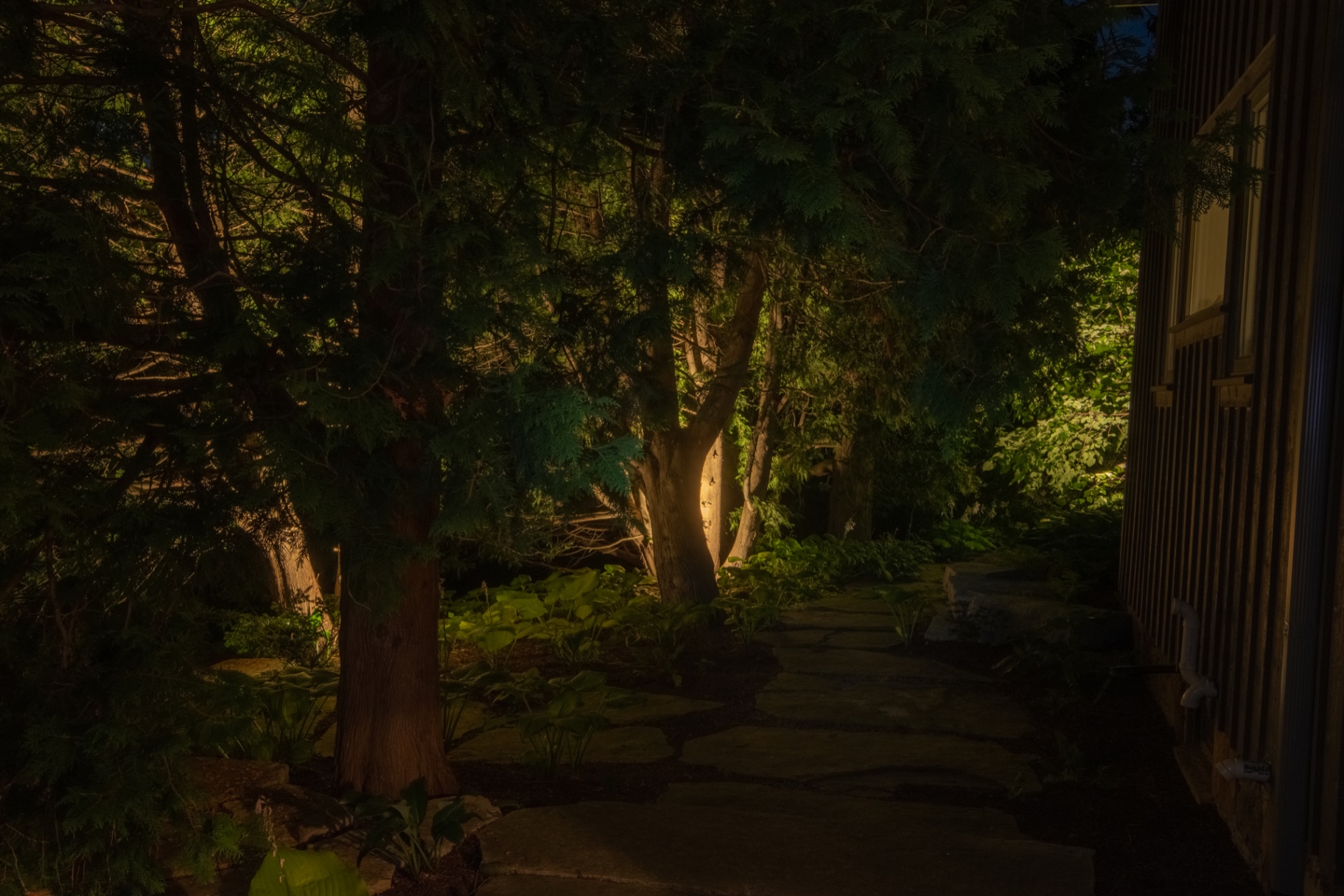
Use a lamp with adjustable beam patterns to experiment on-site. Switch between floodlight and spotlight effects to preview different moods and angles before finalizing fixture selections. This simple technique prevents costly repositioning after installation.
Your wire mapping matters more than most designers realize. A professional wire map prevents voltage drop issues, ensures proper circuit loading, and simplifies future troubleshooting. This is where technical support makes the difference between a smooth installation and a problematic one.
Designing: Layered Lighting Architecture
The dominant approach in 2026 is layered lighting, three distinct layers working together in warm tones to create depth and balance. This method replaces outdated single-fixture strategies with nuanced systems that guide attention and improve functionality.
Ambient lighting establishes overall mood and provides general illumination across the space. Think of this as your foundation layer, subtle, even coverage that makes the space feel welcoming without overwhelming specific features.
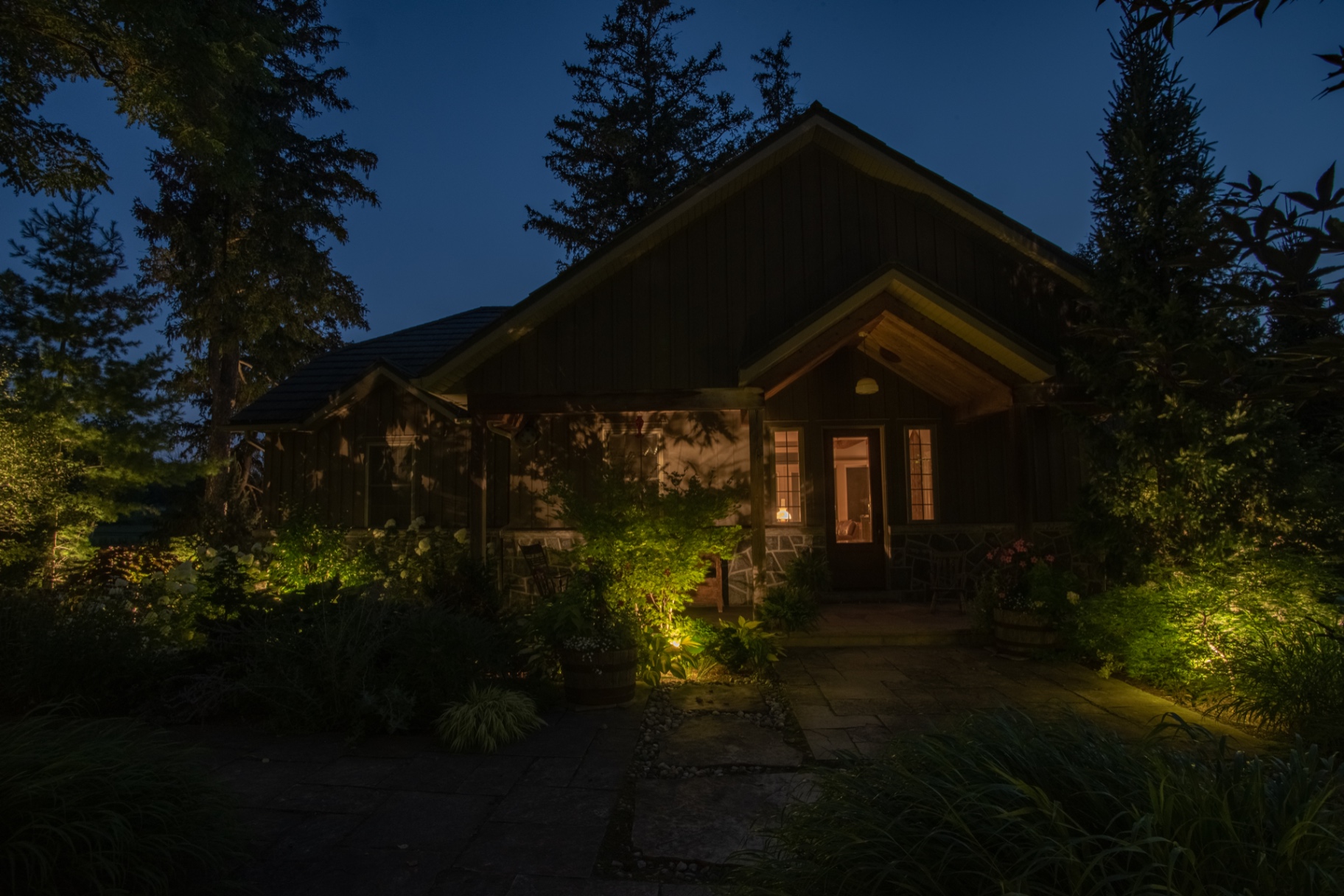
Accent lighting emphasizes architectural details, specimen trees, sculptures, and focal points. This layer creates visual interest and draws the eye to your design's strongest elements. Proper accent lighting transforms ordinary landscapes into memorable nighttime experiences.
Task lighting ensures safety around walkways, steps, edges, and transitions. This functional layer prevents accidents while maintaining aesthetic quality. Modern task lighting blends seamlessly with your design rather than announcing its presence.
The trend toward minimalist, hidden fixtures reduces visual clutter and tripping hazards while maintaining clean sightlines. This approach particularly suits modern landscapes with strong geometric elements where visible fixtures disrupt the design intent.
Specifying: Technical Requirements That Matter
Low-voltage systems operating at 12 volts dominate professional installations for good reason. They consume less energy, simplify installation around trees and existing hardscaping, offer better weather resistance, and reduce long-term maintenance requirements compared to line-voltage alternatives.
Beam angles and wattage require careful specification based on desired effects. Wide beams work for path lighting and general area coverage. Narrow beams create dramatic uplighting on tree trunks and architectural features. Mid-range beams provide versatility for most accent applications.
Fixture quality determines project longevity. Premium materials withstand Canadian weather extremes, freeze-thaw cycles, heavy snow loads, summer heat, and UV exposure. Choosing fixtures built for durability prevents premature failure and protects your reputation.
Circuit separation enables mood flexibility. Multiple circuits with individual switching allow clients to illuminate different zones based on use, entertaining, security, or ambient evening enjoyment. Discuss circuit planning with electrical contractors early in the design phase.
Selecting: Product Lineups Built for Performance
Your fixture selections define installation success. The Aria 16" path light delivers reliable illumination along walkways with precise beam control. The Zen provides subtle accent lighting for garden beds and low plantings.
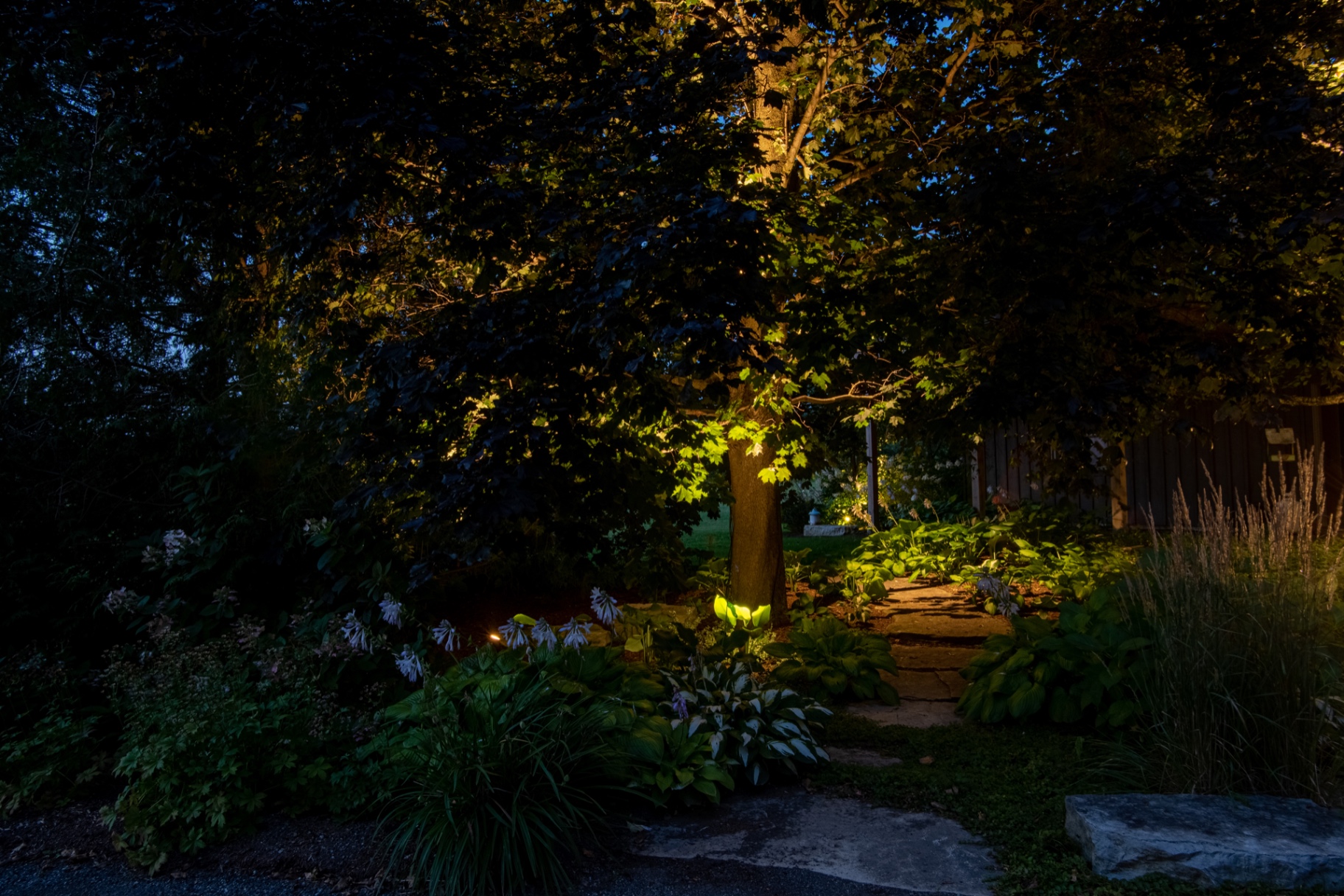
For architectural uplighting and feature emphasis, fixtures like the Diplomat and Fairmont offer adjustable positioning and robust construction.
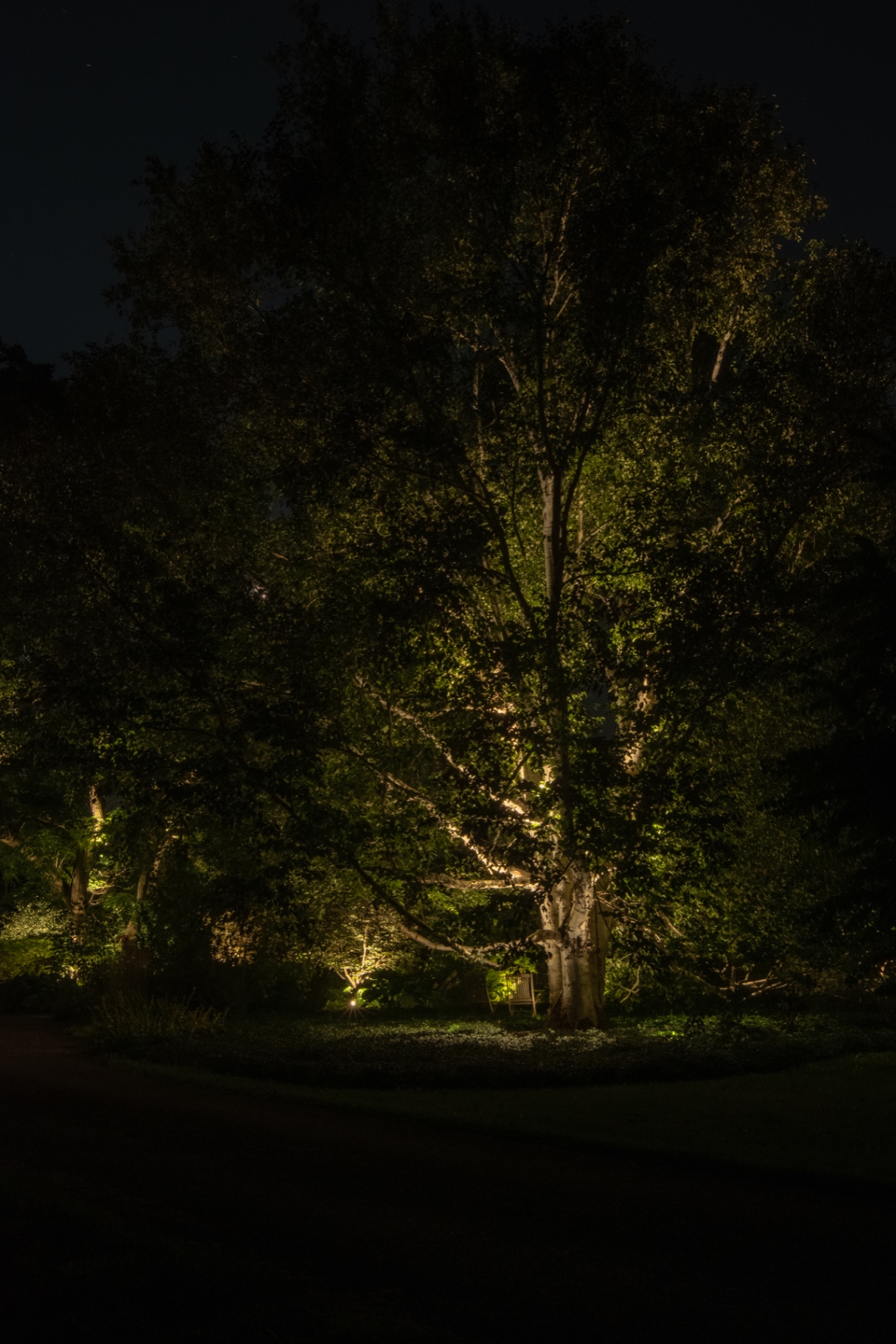
Tree uplighting demands fixtures that withstand ground-level moisture and mechanical stress, the Element and Icon handle these conditions while delivering consistent output.
Well lights like the Bentley provide recessed ground fixtures for seamless integration. The Lex offers versatile mounting options for varied applications.
Dauer Manufacturing fixtures represent the quality standard professional installations require. These products combine precision engineering with weather-resistant construction, delivering performance that matches your design vision. When you specify Dauer through D3 Lighting, you access products developed specifically for demanding Canadian conditions.
Partnering: Technical Support When You Need It
Wire mapping support eliminates guesswork from voltage calculations and circuit planning. Professional wire maps account for wire gauge, run lengths, fixture loads, and transformer capacity: preventing voltage drop issues that dim fixtures and create uneven illumination.
Fixture specification assistance ensures you select appropriate products for each application. Beam angles, mounting heights, lumen output, and finish options require coordination with design intent. Technical support streamlines this process, saving time on every project.
The Develop, Design, Distribute model means you work with a partner who understands the entire project lifecycle: from initial concept through installation completion. Product development informed by installer feedback creates fixtures that perform in real-world conditions, not just on specification sheets.
Implementing: Installation Strategies That Work
Start with functional requirements: pathway lighting and safety illumination: then layer accent and ambient elements. This progression ensures critical areas receive proper attention before aesthetic enhancements.
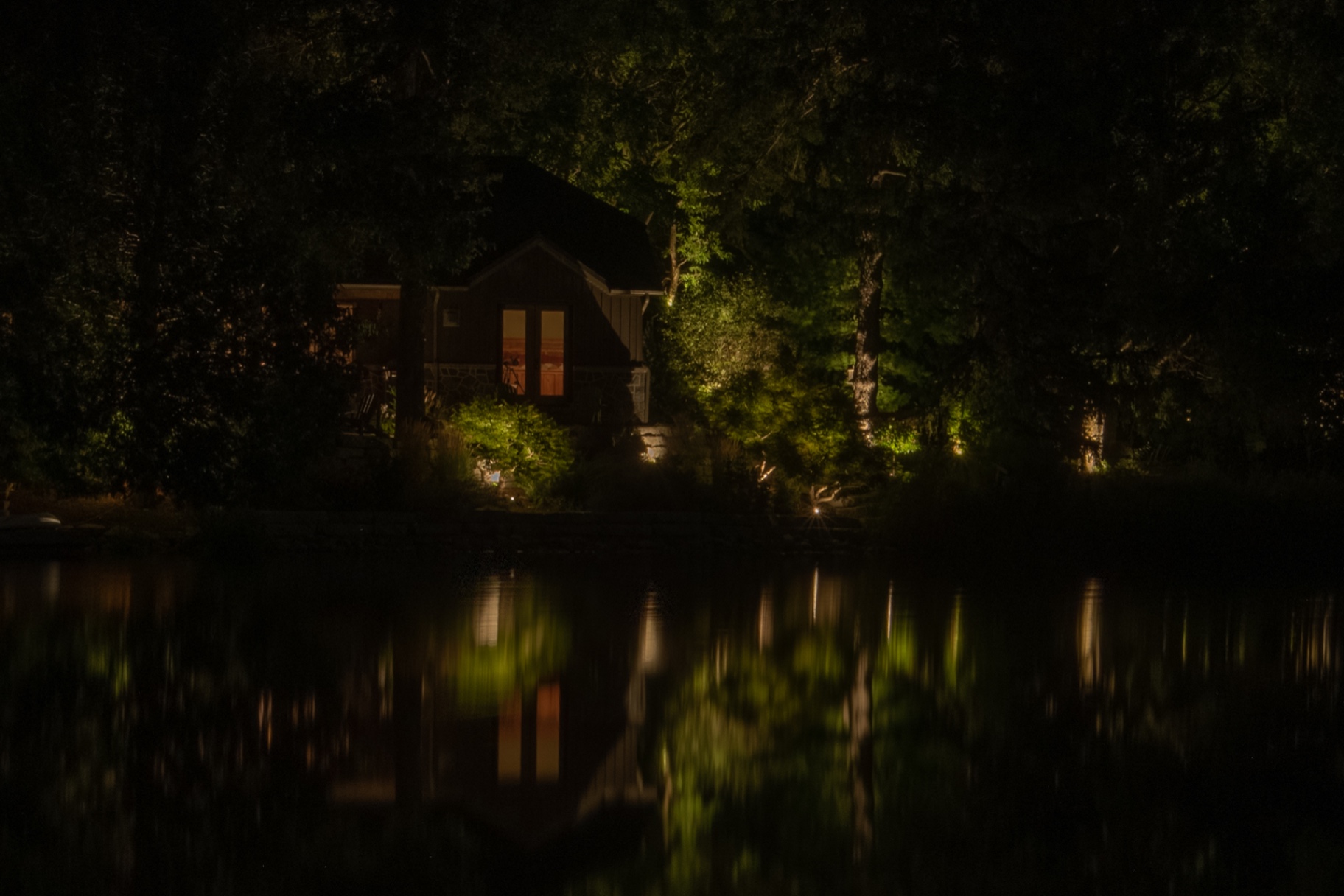
Position spotlights to frame sculptures, graze tree trunks, and trace fountain lines without overwhelming sightlines. Mount fixtures with adjustment capability to fine-tune beam direction during final commissioning. Small position changes create significant impact on final appearance.
Control intensity carefully. Warm-toned fixtures with controlled output eliminate glare while creating comfortable outdoor spaces. Overlighting produces harsh, uninviting environments that defeat the design purpose.
Weather-resistant connections prevent corrosion and maintain electrical integrity through seasonal temperature swings. Use marine-grade connectors and proper waterproofing techniques at every junction point.
Executing: Project Success Through Partnership
Professional outdoor lighting installation in 2026 requires more than product selection: it demands technical knowledge, quality materials, and reliable support throughout the project. Landscape designers who partner with specialists achieve better results with fewer complications.
Browse the complete product lineup to explore fixtures engineered for Canadian installations. Each product includes detailed specifications, beam patterns, and application guidance.
Your outdoor lighting projects deserve partner-level support from concept through completion. Technical assistance with wire mapping, fixture specifications, and installation planning ensures your vision becomes reality without costly callbacks or performance issues.
Contact D3 Lighting to discuss your next project and discover how the Develop, Design, Distribute approach simplifies outdoor lighting installation while elevating results. Professional-grade products, technical expertise, and partnership commitment make the difference between adequate installations and exceptional ones.